
Can you fly a drone in Katy or Cypress, TX?
Short answer: Usually yes, with conditions
For the most part, you can fly in Cypress. What matters is which airspace you're in. North of Cypress, the Tomball area has an airport of its own, and the Katy area has two more. Flying near an airport means sharing the sky with low flying aircraft and following controlled airspace rules.
Flying for fun?
If you fly as a hobby, you don't need a Part 107 certificate, but you do need to pass the free TRUST safety test first. Save your completion certificate, because you have to show it if law enforcement or the FAA asks, and if you lose it you'll have to retake the test. If your drone weighs more than 0.55 pounds, it also has to be registered with the FAA. Airspace rules apply to you too, including authorization near the airports around Tomball and Katy, so the rest of this post is worth a read.
Two things to know before you fly, or hire someone who does
Part 107 is required for any business use of a drone, whether or not you charge for it. If the footage serves a business purpose, the pilot needs an active FAA Part 107 Remote Pilot Certificate.
Flying in controlled airspace near airports also requires LAANC authorization, which has to be requested before the flight, not after.
Three airports sit close to Cypress and Katy
The airport to your north, near Tomball, is David Wayne Hooks Memorial Airport, a busy general aviation airport. To the south, near Katy, there are two more: West Houston Airport near Addicks, and Houston Executive Airport near Brookshire.
Altitude limits near any of these airports can be lower than the standard 400 foot limit.
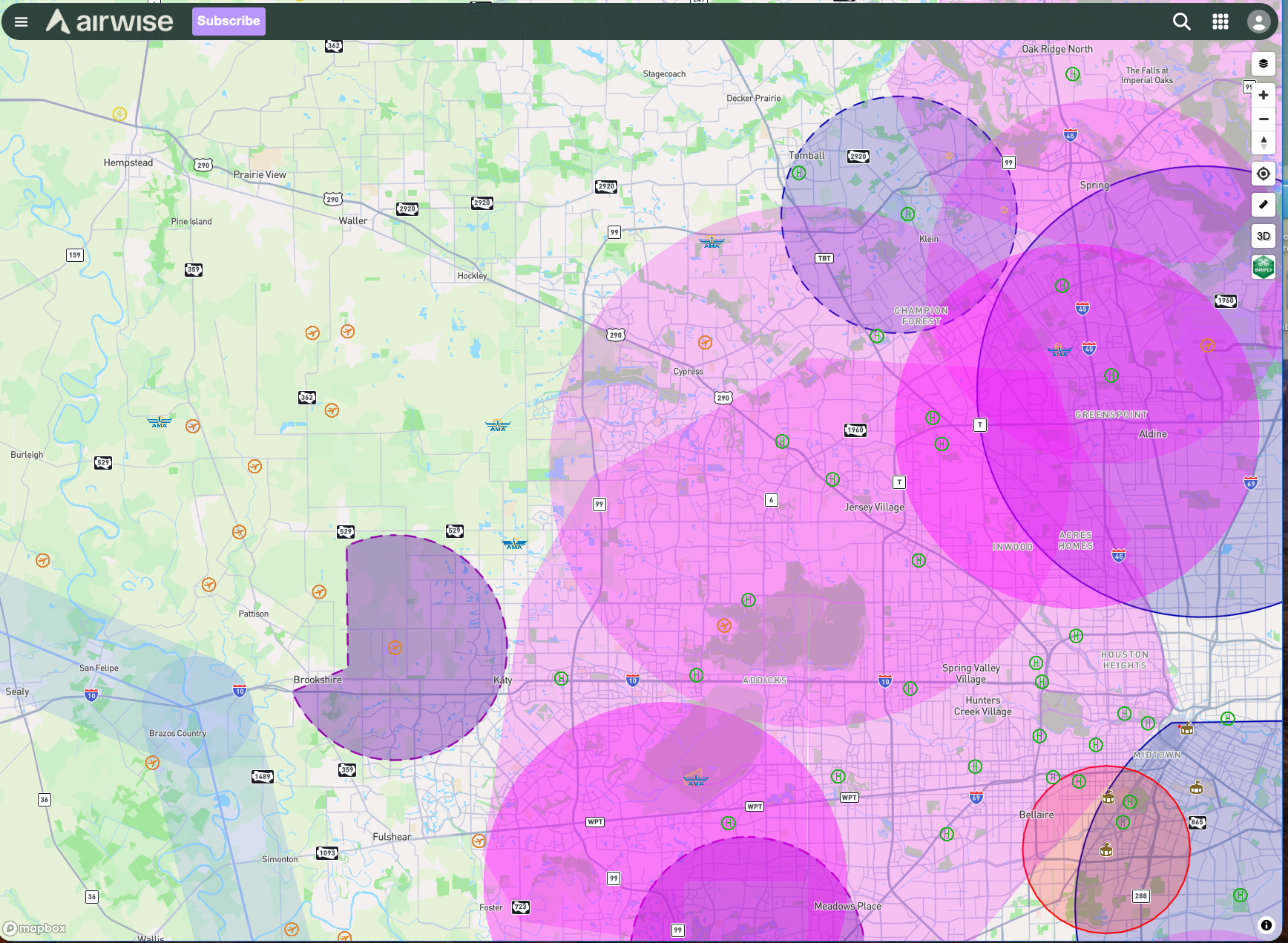
Image 1: Airwise, showing buffer zones (pink) and restricted boundaries (dashed) across Cypress, Jersey Village, and Tomball.
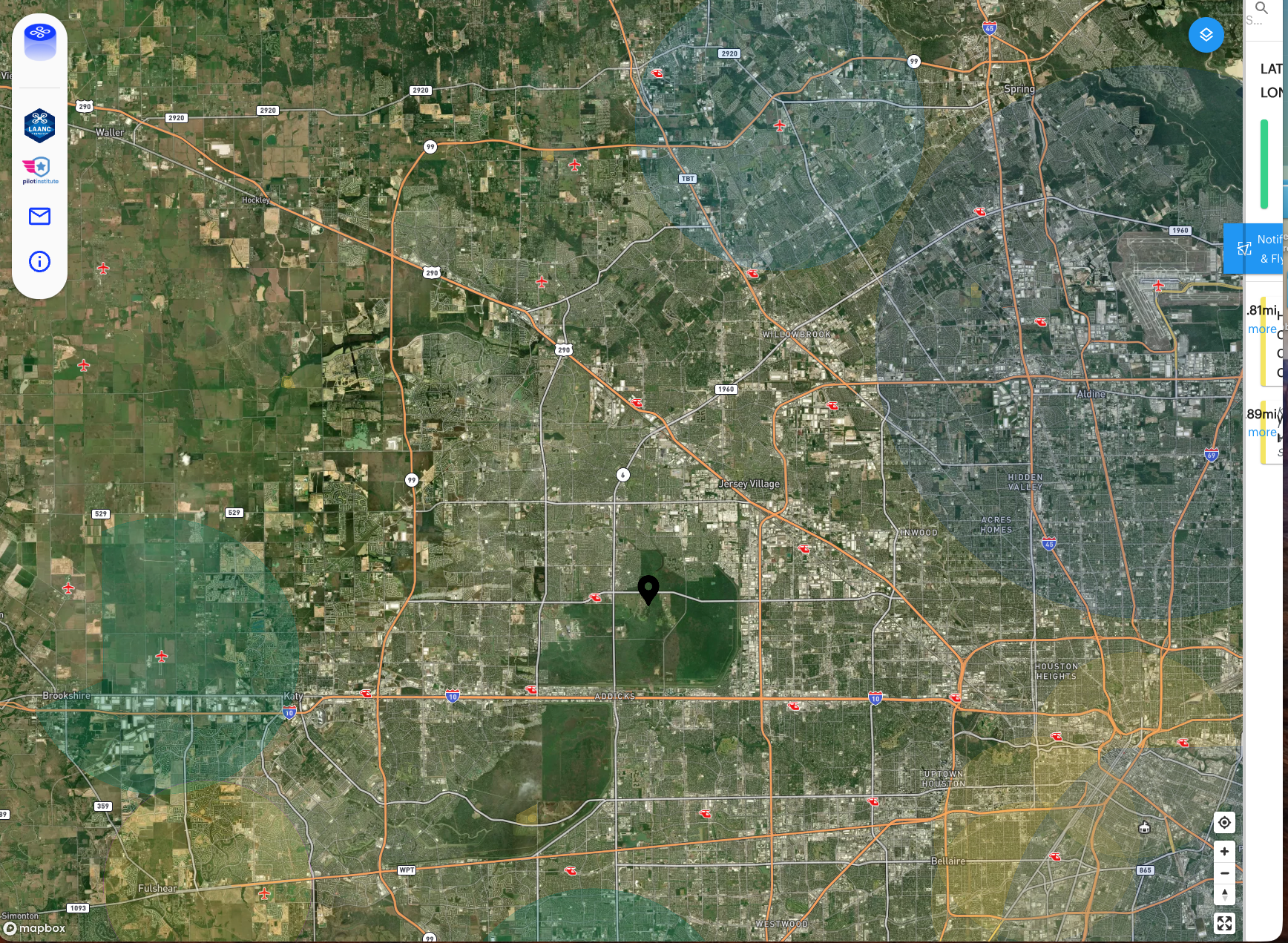
Image 2: Same airspace, different platform, satellite view with the job location pinned.
These are the airspace tools I check before every job. The pink zones are buffer areas where you share the sky with helicopters and low flying aircraft. No authorization is required there, but there's real risk if you don't know it's there. The dashed boundaries mark controlled airspace, where LAANC authorization is required before the flight, no exceptions.
If your property, job site, or listing falls in one of these zones, ask whether whoever you hire checked airspace before showing up. It's a step a pilot either takes or skips.
On a recent job, the height limit was low enough that I couldn't fit the whole site in one frame. Instead of pushing the ceiling to get the shot, I flew multiple passes and stitched them together.
Airspace can change overnight, with no warning
In late August 2026, the FAA issued a temporary flight restriction, or TFR, over greater Houston for a presidential visit to NASA's Johnson Space Center. TFRs are enforceable no fly zones that can appear around VIP travel, wildfires, major events, or security situations with almost no notice.
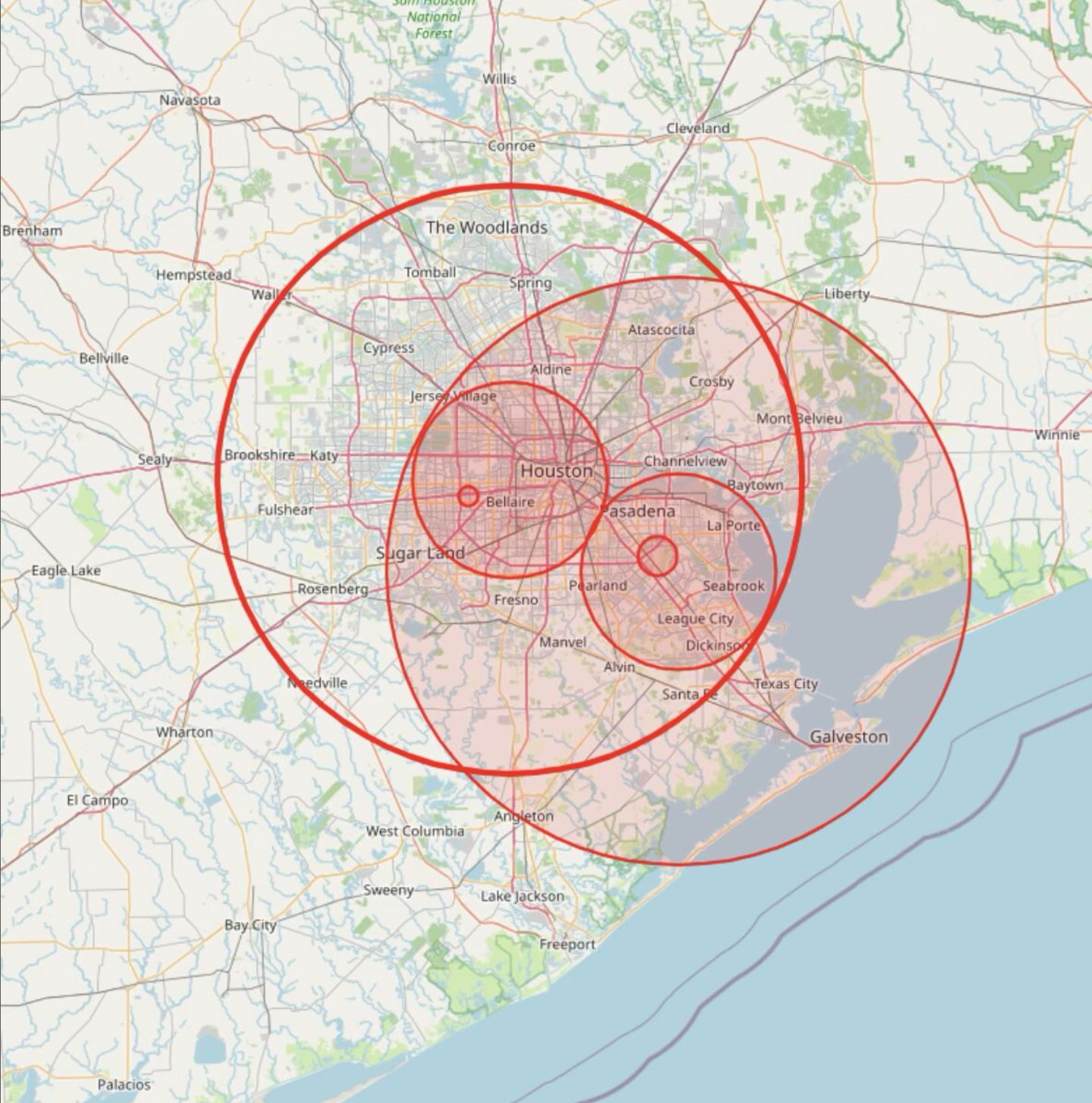
Image 3: TFR footprint over Houston during the Presidential visit in 2026.
This one covered roughly 30 nautical miles around the visit area, tighter inside 10 nautical miles, from the ground up to 17,999 feet. Drone flights were prohibited inside it, and NORAD scrambled fighter jets to intercept five general aviation aircraft that violated it. A pilot who checked airspace weeks ago has no idea a TFR like this is active today. Professionals check current airspace before every single flight.
What happens when someone skips any of this
An unauthorized flight in controlled or restricted airspace is a real violation. If it happens on your job, you're exposed too: FAA fines of up to $75,000 per violation, a shoot stopped mid project, and insurance complications if anything goes wrong. The FAA can also suspend or revoke the pilot's certificate.
What to ask before you hire a drone operator
Before you hire anyone to fly your property, job site, or listing, ask three things:
● Do you hold an active FAA Part 107 Remote Pilot Certificate?
● Are you insured for commercial drone operations?
● Do you know whether this location requires authorization, and will you check before flying?
A legitimate operator answers all three without hesitation. A vague answer or a shrug is your answer too.
How I handle it at First to Fly
I check airspace three times on every job: when your request comes in, again as your flight date gets closer, and again on the day itself, since conditions can change in that window. If a height limit gets in the way of the shot we planned, I don't push past it. I fly multiple passes and stitch them together, or I adjust the plan.
Planning a project near Cypress or Katy?
Send me the address and I'll check the airspace before we talk pricing. We work in Real Estate and Construction.